

Bingo rifa: choose your room and follow every call
In the late afternoon, a short game can fit between one commitment and the next. On our bingo page, the setting to pay attention to before joining is the call speed: it determines how much time you’ll have to check your card and mark the numbers. Then choose an available room, check the required pattern, and decide how many cards to follow. Game information helps you understand the pace before buying, so you’ll know what to watch from the first number without having to guess how the round works.
Tap to PlayEach room hosts a round with its own rules, and the goal is to complete the indicated pattern before the other participants. The card shows the numbers that may be called; during the draw, you follow the calls and mark any matches. Before confirming your entry, check the winning pattern, speed, and cost per card, as well as any limit listed for that game.
Our aim is to make the round’s decisions clear: choose a room, select the number of cards, and follow the draw until it ends. You don’t have to buy several at once; start with an amount you can check comfortably. Bingo is for people aged 18 and over. Play responsibly, set time and spending limits, and stop if it stops being enjoyable.
Relaxed rooms or fast-paced calls
The pace changes how you follow a game. In a slower room, there’s more time between calls to find each number, check your cards, and mark matches. Fast calls leave less time between balls, which can make the experience more intense, especially when you’re following several cards. Before joining, look for the available speed setting and choose one that suits your attention at the time. If you’re new to bingo, a slower round may make it easier to follow; if you already know the interface, try a different pace while keeping your limits in mind.
Winning patterns beyond a simple line
Not every room ends when someone completes a line. The round’s pattern may require two lines, a specific shape, all four corners, or other positions on the card to be filled. So read the winning condition before buying: knowing the required pattern helps you check which spaces matter and avoid mistaking a partial match for the end of the game. Patterns vary by room and may be shown in a visual preview or in text. Use this reference during the draw; the criteria announced for that round determine when bingo is called.
How many cards should you follow before the first call
Choosing the number starts with a practical question: how many cards can you check without rushing? More cards show more numbers to watch, but they also require more attention with each call. In the room, select the number you want and review the displayed cost before confirming your purchase. If the interface allows it, also check that the cards are legible on the screen you’re using. A single card can be a good way to understand how a round works; increase the number only when you’re comfortable following all of them to the end.
How to mark numbers on the room panel
When you enter, keep your card and the call panel visible. When a called number also appears on your card, mark the corresponding square using the room’s marking feature. Depending on the interface, marking may happen automatically or require a tap; check the indicator before the draw picks up pace. Follow the call history to review recent numbers, and check the winning pattern—not just the filled squares. If something doesn’t seem right, consult the room instructions before continuing. Final verification follows the rules displayed for that round.
FAQ
How do I enter a bingo room?
Open the room list, compare the available information, and choose a round that fits your schedule and budget. Check the pattern, speed, and price per card. Then select the number you want and confirm your entry according to the instructions shown. Wait for the round to start, or follow along if it’s already underway, when the room allows it.
Can I buy cards after the draw starts?
That depends on the rules and status of each room. Some rounds close purchases before the first call; others may show an entry window with its own deadline. Check the purchase button and the room notice before counting on this option. If sales are closed, choose another available round.
What happens if I don’t mark a called number?
The consequences depend on how the room handles marking. If marking is automatic, matching numbers may be marked on your card without any manual action. If you need to tap the squares, an unmarked call may make it harder to check your card visually. Read the interface instructions and use the history to review the called numbers.
How do I know which pattern ends the game?
The winning condition should appear in the round details, the information area, or a visual representation of the pattern. Check it before buying and keep it accessible during the calls. A line, corners, and shapes are examples of possible patterns, not a single rule for every room. The pattern shown for that game applies.
Can I watch the draw without buying a card?
The option to watch without participating varies by room and the features available in the lobby. Check whether there’s a viewing option before entering. Watching can help you understand the pace of the calls and the layout of the panel, but it doesn’t count as participating and doesn’t entitle you to a card or a prize.
What should I do if the round seems stuck?
First, check whether the call has actually stopped or if the room is between numbers. Check the panel and history to identify the latest update. Avoid confirming another purchase until you know the round’s status. If the issue persists, follow the support instructions available on the platform and keep the room information.
 10 Burning Roll
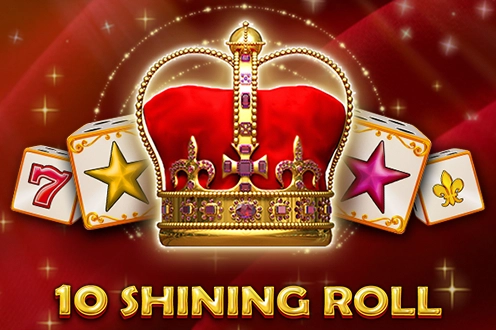 10 Shining Roll
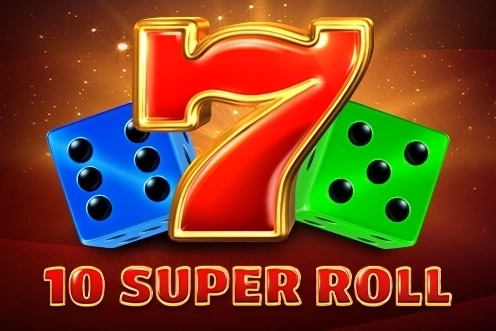 10 Super Roll
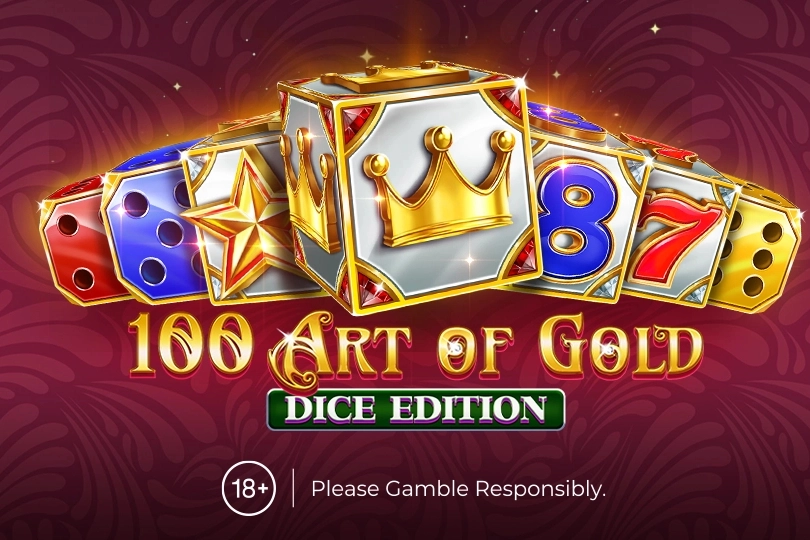 100 Art of Gold Dice Edition
 100 Bit Dice
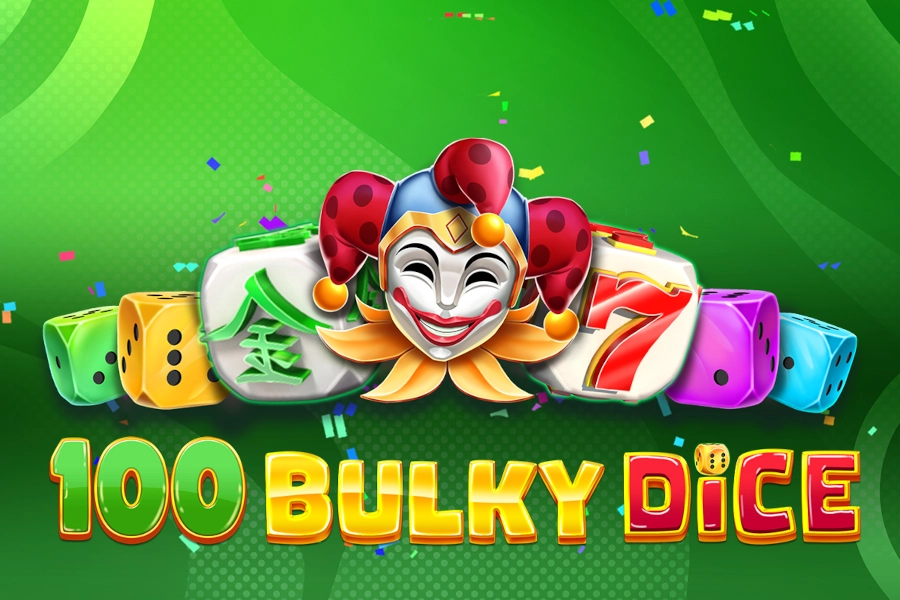 100 Bulky Dice
 100 Burning Roll
 100 Dazzling Roll
 100 Dice
 100 Dragons Pull Tabs
 100 Golden Coins Dice Edition
 100 Joker Roll
 100 Leprechaun Roll
 100 Power Hot Dice
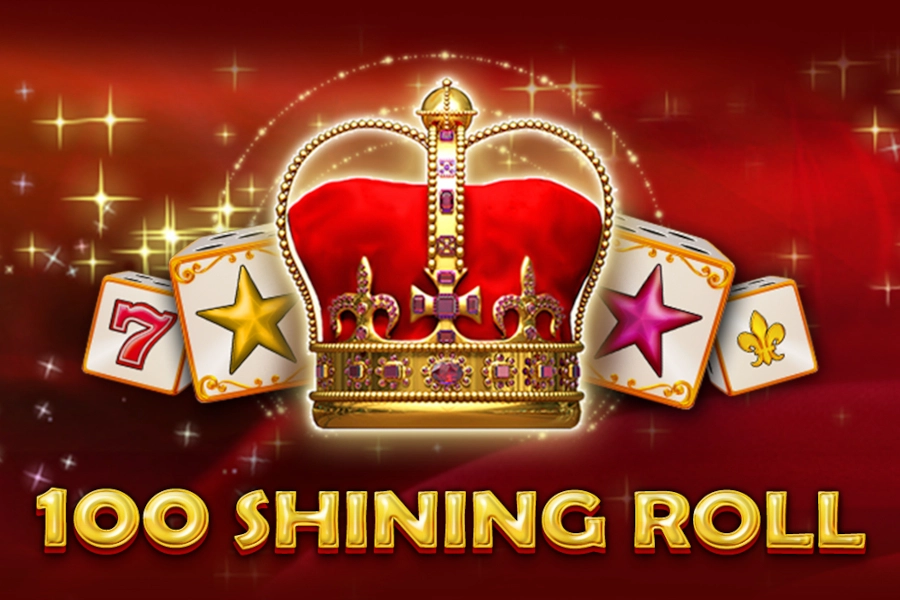 100 Shining Roll
 100 Stunning Dice
 100 Super Dice
 100 Super Roll
 1000 x Rush
 10000 x Rush
 1000x Busta
 10K Dice
 12 Golden Eggs
 1524 Golden Quest
 1Tap Mines
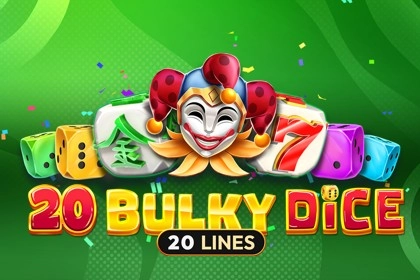 20 Bulky Dice
 20 Burning Dice
 20 Burning Roll
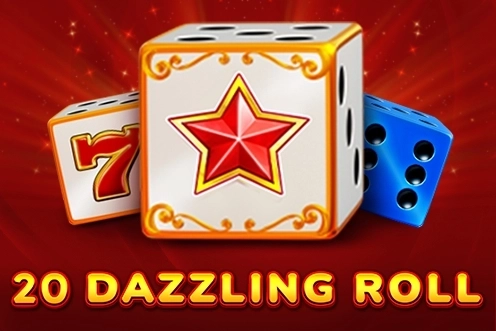 20 Dazzling Roll
 20 Golden Dice
 20 Hot Strike Dice Jackpot
 20 Hot Strike Dice
 Game Claim Free Credit Link RM10 from MEGA888 (100)
 Game Claim Free Credit Link RM10 from MEGA888 (101)
 Game Claim Free Credit Link RM10 from MEGA888 (102)
 Game Claim Free Credit Link RM10 from MEGA888 (103)
 Game Claim Free Credit Link RM10 from MEGA888 (104)
 Game Claim Free Credit Link RM10 from MEGA888 (105)
 Game Claim Free Credit Link RM10 from MEGA888 (106)
 Game Claim Free Credit Link RM10 from MEGA888 (107)
 Game Claim Free Credit Link RM10 from MEGA888 (108)
 Game Claim Free Credit Link RM10 from MEGA888 (109)
 Game Claim Free Credit Link RM10 from MEGA888 (110)
 Game Claim Free Credit Link RM10 from MEGA888 (111)
 Game Claim Free Credit Link RM10 from MEGA888 (112)
 Game Claim Free Credit Link RM10 from MEGA888 (113)
 Game Claim Free Credit Link RM10 from MEGA888 (114)
 Game Claim Free Credit Link RM10 from MEGA888 (115)